Using Repetition to Create Rhythm and Connection in Abstract Painting
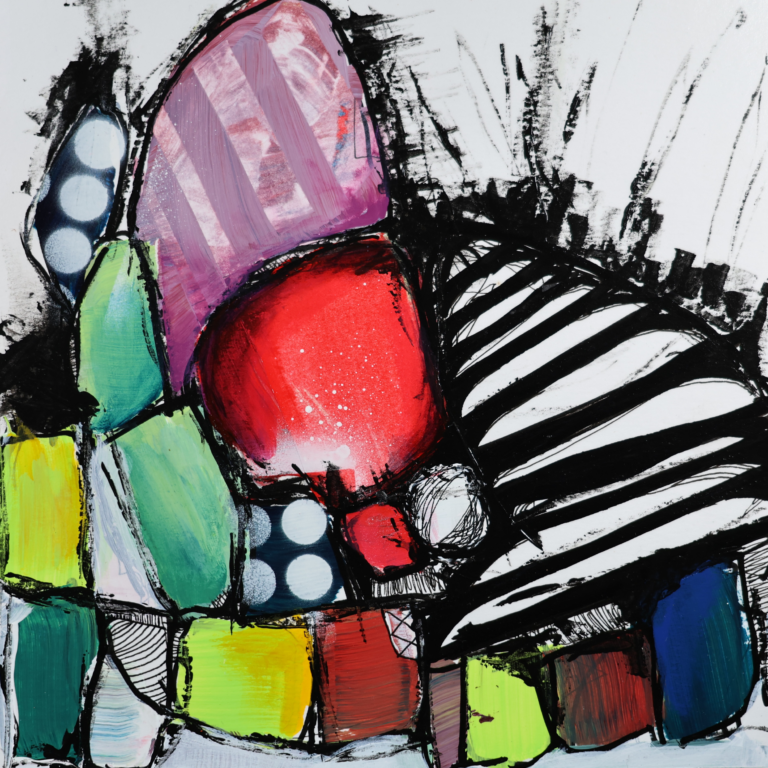
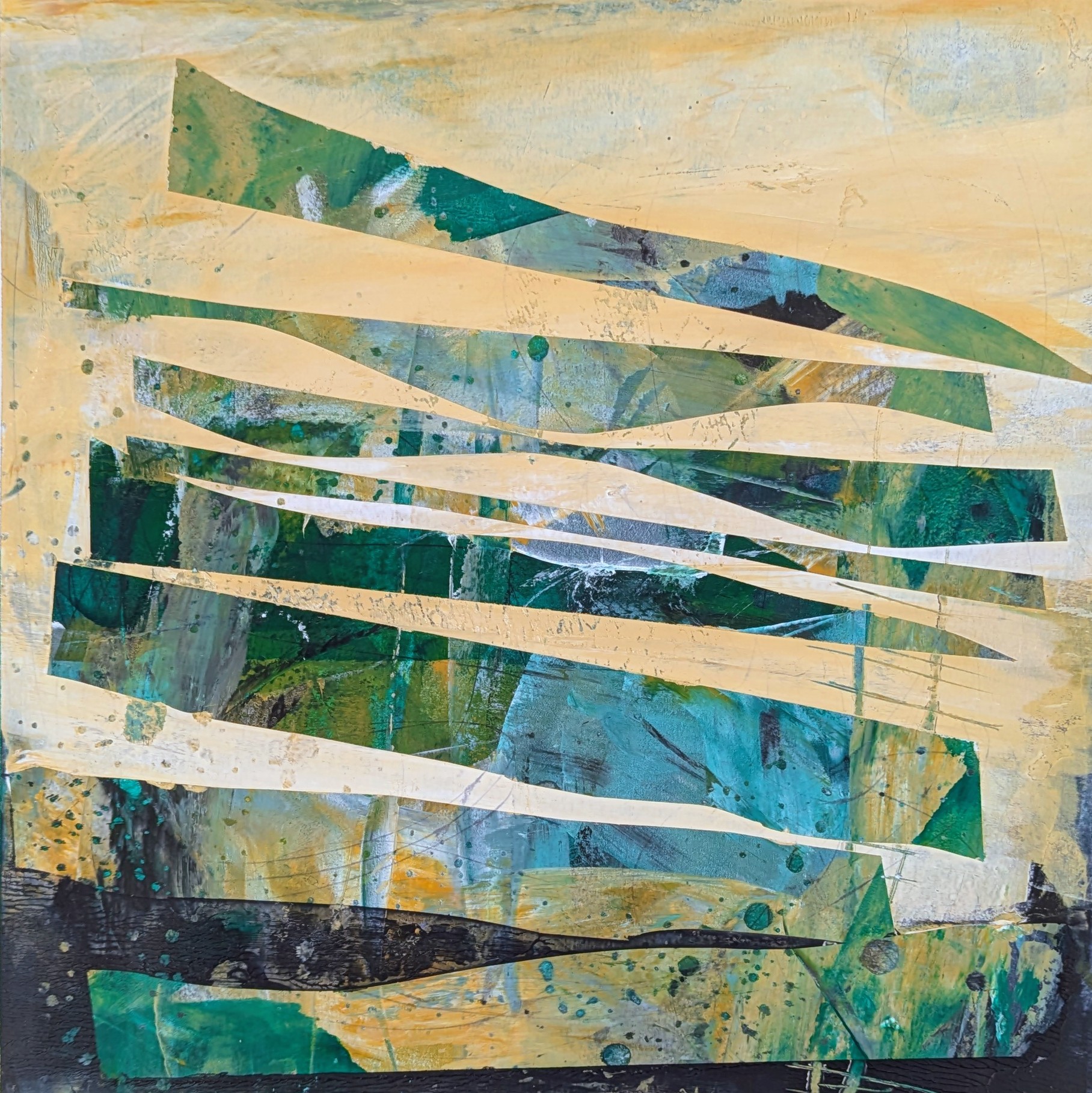
Repetition is one of the most powerful—and often overlooked—tools in abstract painting. When similar shapes, lines, or marks appear again and again, the painting begins to feel connected. Our eye recognizes those echoes and starts to move through the surface with ease, creating a natural sense of rhythm without the need for a defined subject or focal point.
What makes repetition interesting is variation. Small changes in size, spacing, opacity, or edge quality keep repeated elements from feeling stiff or predictable. A form might feel grounded and structural in one area, then lighter and more atmospheric in another. These shifts turn repetition into movement, guiding the viewer through the painting in a quiet, intuitive way.
Working with repetition also simplifies the painting process. Instead of constantly asking what to add next, we respond to what’s already there. Each new mark becomes a continuation or adjustment rather than a brand-new decision. That mindset reduces overthinking and helps the painting evolve organically, one response at a time.
Negative space plays a key role here as well. Areas left untouched—or treated more subtly—help define repeated forms just as much as paint does. Darker negative space can add weight and structure, while lighter passages allow elements to float and drift. We don’t need to choose a direction in advance; noticing when the painting leans one way or another is often enough.
Perhaps the most valuable lesson repetition teaches us is restraint. When a painting already has rhythm and connection, it becomes easier to stop. Practicing repetition builds awareness—of balance, of pacing, and of when a painting has said enough. That awareness carries forward into every abstract painting we make.
Frequently Asked Questions About Repetition in Abstract Painting
What does repetition mean in abstract painting?
Repetition in abstract painting refers to repeating similar shapes, marks, lines, or colors throughout a composition. This repetition helps create visual connection and guides the viewer’s eye across the surface.
How does repetition create rhythm in abstract art?
Rhythm emerges when repeated elements vary slightly in size, spacing, edge quality, or opacity. These subtle changes keep the painting dynamic while still maintaining cohesion.
Can repetition work without a focal point?
Yes. Repetition can replace the need for a traditional focal point by distributing visual interest throughout the painting, allowing the eye to move naturally rather than landing in one place.
What role does negative space play with repetition?
Negative space helps define repeated forms. Darker negative space can add weight and structure, while lighter or quieter areas allow repeated elements to feel more open and atmospheric.
How does repetition help prevent overworking a painting?
When a painting already has rhythm and structure through repetition, it becomes easier to recognize when enough has been done. This awareness encourages restraint and more confident stopping points.