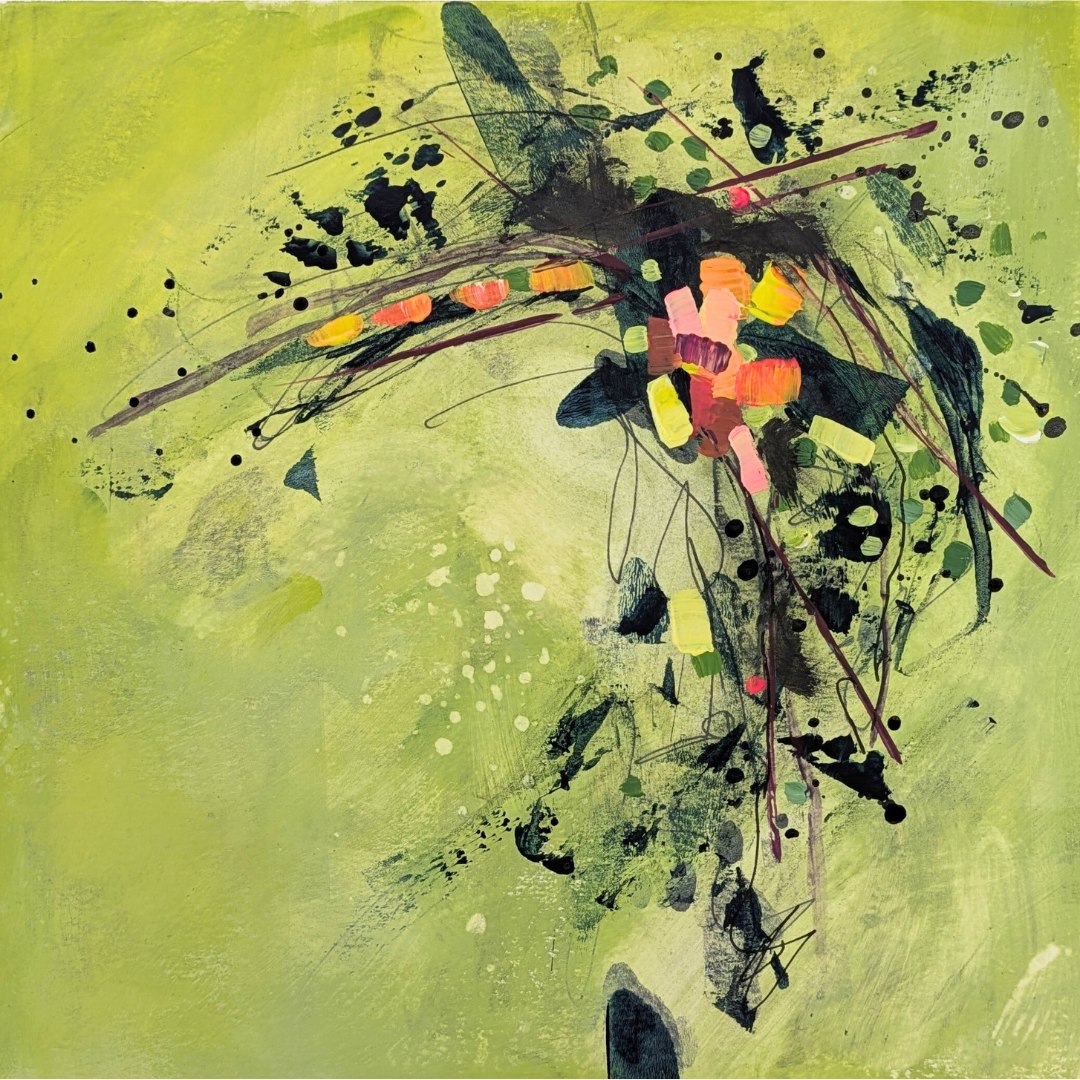
How Line and Movement Fix Flat Abstract Paintings
Flat abstract paintings often aren’t a color problem—they’re a movement problem. When every mark carries the same weight, pace, and intention, the surface starts to feel even and predictable. Without variation, the eye has nowhere to travel and nothing to respond to.
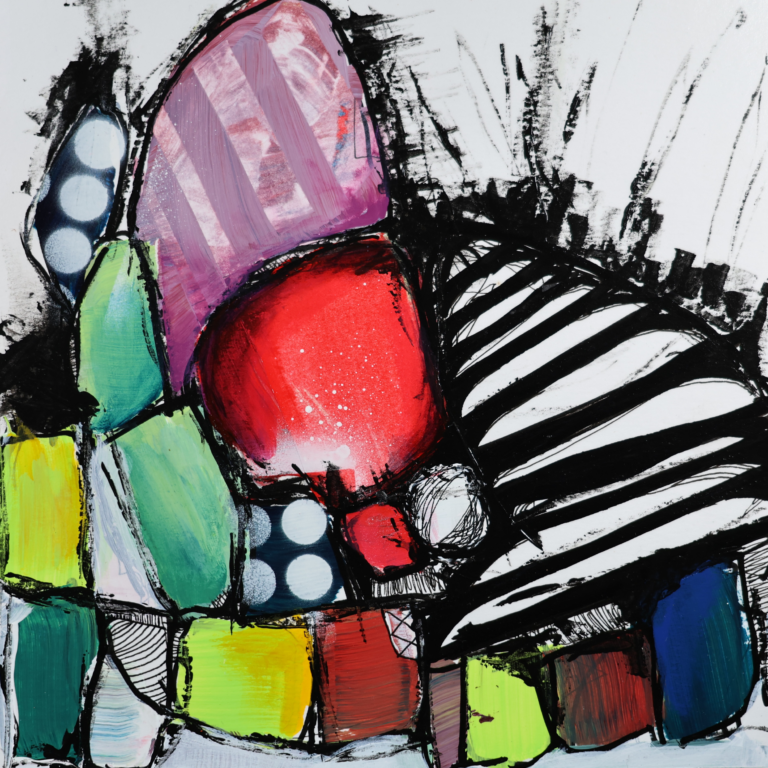
One of the most effective ways to create movement in abstract painting is through contrast in tempo. Some marks can feel fast, loose, and instinctive, while others feel slower, more deliberate, and grounded. This shift in pacing creates a natural rhythm that keeps the painting active and engaging.
Why Paintings Feel Flat
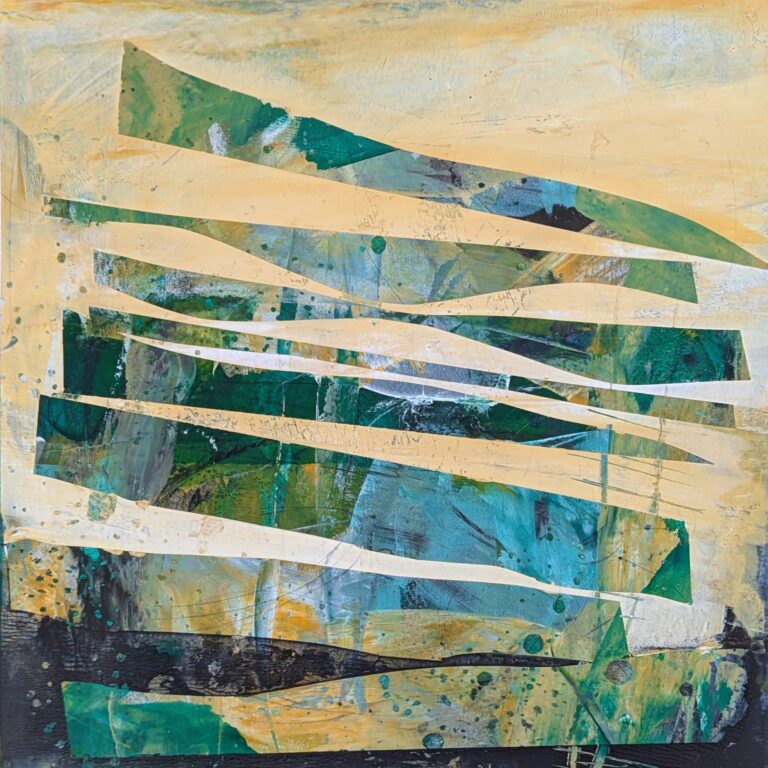
When all marks feel similar in pressure, scale, and control, they begin to read at the same visual speed. Even if the colors are working, the painting can feel static. Introducing variation—especially through line—breaks that sameness and creates energy.
Using Fast Marks to Build Energy
Fast, sweeping lines and loose gestures bring movement into a painting. These marks feel reactive and spontaneous, helping us move past overthinking. They create momentum and give the painting a sense of life early on.
Slowing Down to Add Structure
Slower, more intentional marks act as anchors. These might show up as thicker shapes, darker areas, or more carefully placed lines. They give the eye a place to pause and help balance out the energy created by faster marks.
Creating Balance Through Contrast
The goal isn’t choosing fast or slow—it’s allowing both to exist. Movement comes from contrast. When we combine energetic lines with more grounded forms, the painting develops a push and pull that keeps it visually engaging.
Sometimes the shift a painting needs isn’t more detail—it’s a change in how we move across the surface.
Frequently Asked Questions About Movement in Abstract Painting
Why do abstract paintings look flat?
Paintings often feel flat when marks have the same weight, pace, and visual energy. Without variation, the eye has no movement to follow.
How do you create movement in abstract art?
Movement is created through contrast—fast versus slow marks, thick versus thin lines, and loose versus controlled gestures.
What is the role of line in abstract painting?
Line helps guide the viewer’s eye and introduces rhythm. Different types of lines can create energy, structure, and direction.
Do I need more detail to fix a flat painting?
Not always. Often the issue is a lack of variation in movement, not detail. Changing mark-making can be more effective than adding complexity.
What are fast and slow marks in painting?
Fast marks feel loose and instinctive, while slow marks feel deliberate and placed. Using both creates balance and visual interest.