Simple Abstract Painting Techniques That Create Stronger Compositions
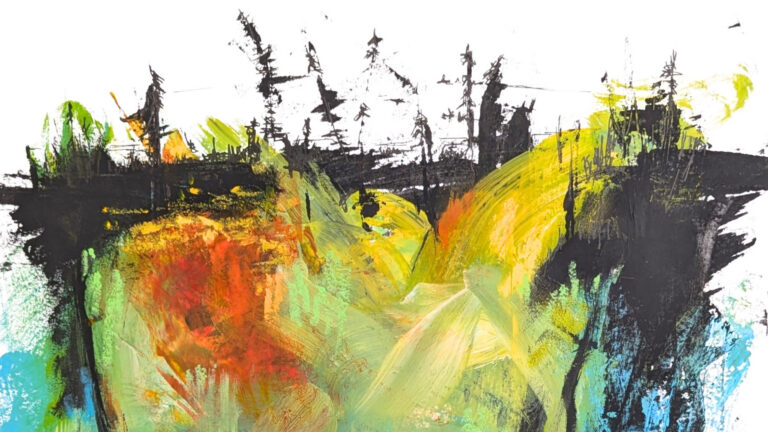
Simple abstract painting techniques often lead to stronger, more intentional work than overly complex approaches. When we reduce the number of elements—fewer shapes, a limited palette, and subtle variation—we give ourselves space to focus on what really matters: relationships, balance, and form.
Why Simplicity Strengthens Composition
When a painting includes too many competing elements, it can lose clarity. By limiting the number of shapes, we start to see how each one interacts with the others. Spacing becomes more important. Balance becomes more noticeable. Instead of managing complexity, we’re refining a few key decisions, which often leads to a more cohesive result.
Using Fewer Shapes to Create Impact
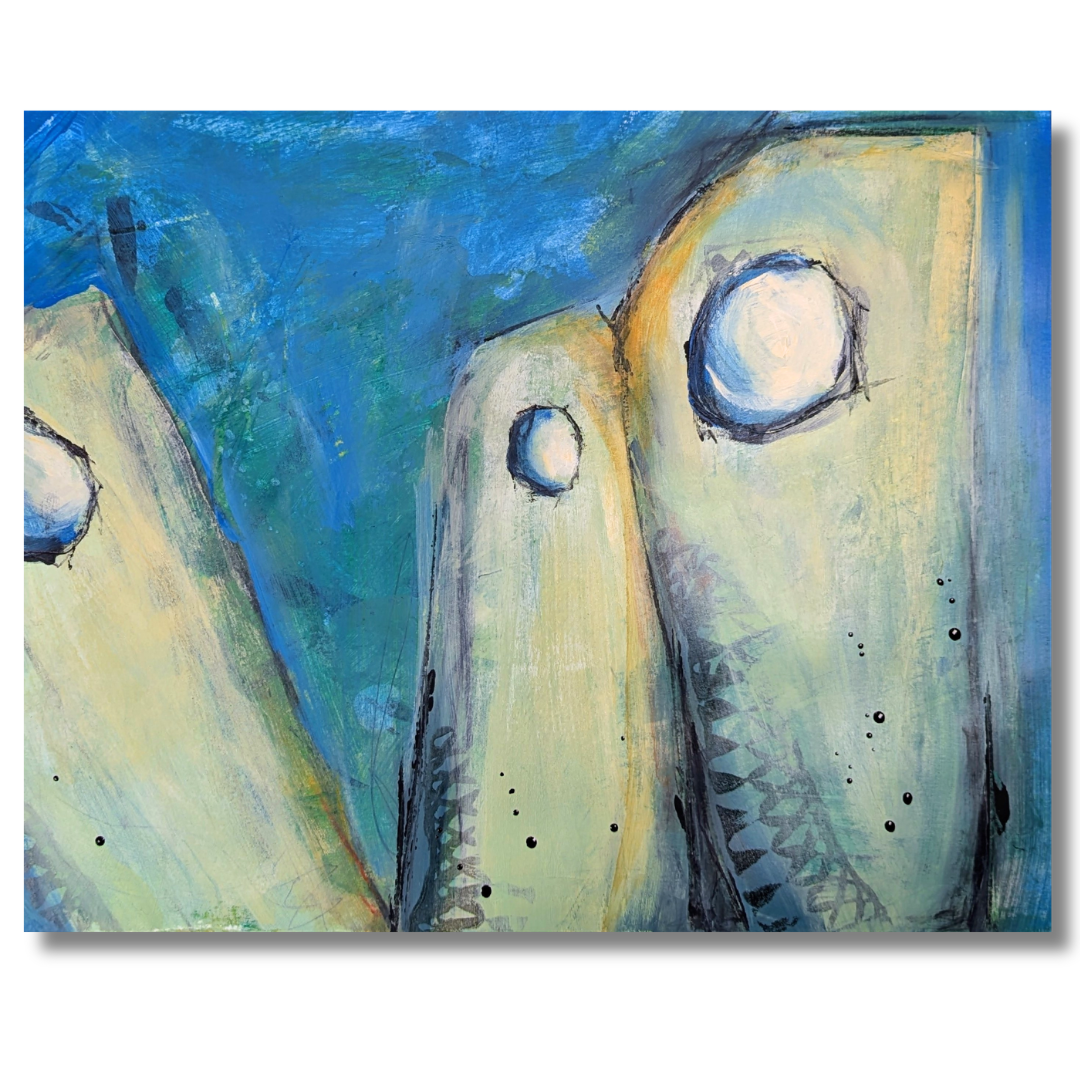
Working with just a small number of shapes encourages restraint. Each shape carries more visual weight, so even small adjustments can shift the entire composition. This makes it easier to experiment and learn, because the impact of each decision is clear.
Softening Edges for a Natural Feel
Hard edges can make shapes feel rigid or overly graphic. By softening edges—allowing color to blend or bleed slightly—we create a more organic presence. This balance between geometric structure and softer transitions introduces subtle movement without adding complexity.
Letting Small Decisions Do the Work
When we work with less, smaller choices become more meaningful. A slight shift in color, a softened edge, or a change in spacing can completely alter how the painting feels. This keeps the process exploratory while helping us avoid overworking the surface.
Simplicity doesn’t mean less interesting—it often means more focused. When we strip a painting back to its essentials, we begin to see how much can be achieved with just a few thoughtful elements.
Frequently Asked Questions About Simple Abstract Painting
Why are simple abstract paintings often more effective?
Simpler paintings highlight relationships between shapes, color, and space, making the composition feel clearer and more intentional.
How many shapes should I use in an abstract painting?
There’s no fixed number, but working with fewer shapes can help you focus on balance, spacing, and visual impact.
What is the benefit of softening edges in abstract art?
Soft edges help shapes feel more natural and integrated, reducing stiffness and adding subtle movement to the composition.
Can a limited color palette improve my painting?
Yes. A limited palette reduces decision fatigue and helps unify the painting, making color relationships easier to manage.
How do I know when to stop a simple abstract painting?
When the composition feels balanced and the shapes are clearly working together, it’s often a sign that the painting is complete.